Mink oil is a wonderful product for leathers. But if you use it the wrong way, you may get the opposite of what you wanted or, in the worst-case scenario, damage your leather for good.
You ask how long it takes to dry and whether it can damage suede. Our experts have all the explanations you need.
This FAQ is your complete guide to finding answers quickly. There’s no need to search through the entire content, just use the question list below as a directory to the question you need. We are giving it a go.
- What Exactly Does Mink Oil Do for Leather?
- Will Mink Oil Darken My Leather Boots?
- Can You Use Mink Oil on Suede or Nubuck?
- How Do I Properly Apply Mink Oil to My Boots?
- How Long Does Mink Oil Take to Dry?
- Can I Use Mink Oil on Dress Shoes or Leather Jackets?
- What is Mink Oil Actually Made Of?
What It Does for Leather
Mink oil takes care of leather that is heavily used. It not only protects but also rejuvenates tough leather products.
In fact, these perks are not only visible but super easy to understand.
- Full Conditioning: This agent can go even deep into full-grain leather and replace the oils that are naturally produced. Thus, it helps avoid the leather from drying out and getting cracks, making it soft and increasing its life.
- Waterproofing: It constructs a solid barrier on the surface of the leather. This adds excellent protection to water, snow, and salt. That’s why it is often used on the job and hiking boots for tough weather conditions.
- Softening: It makes the stiff or new leather happen to be more flexible. Consequently, these are new boots that give you blisters but quickly bend and feel better.
The Darkening Effect
Yes, when you use mink oil, your leather will appear darker almost every time. This is not a flaw – this is the property.
The reason is just that simple. The mink fat along with other oils permeate the leather. This way, they fill the minute gaps and enrich the leather with the darker and more oil sheen appearance.
You will observe that most on the lighter colors, but almost all the smooth leather variations show this quality.
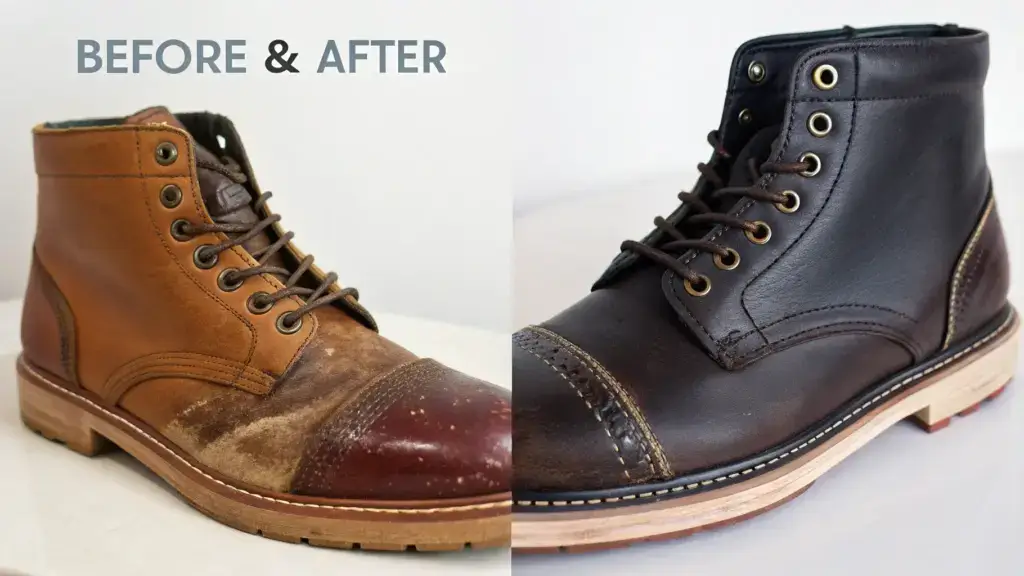
Important Reminder: Always test on a small, hidden spot first! Put a tiny bit on a normally hidden place, like the boot tongue or the area under the laces. Let it sit for 24 hours before checking the result and only then, you can treat the whole item.
Suede and Nubuck Warning
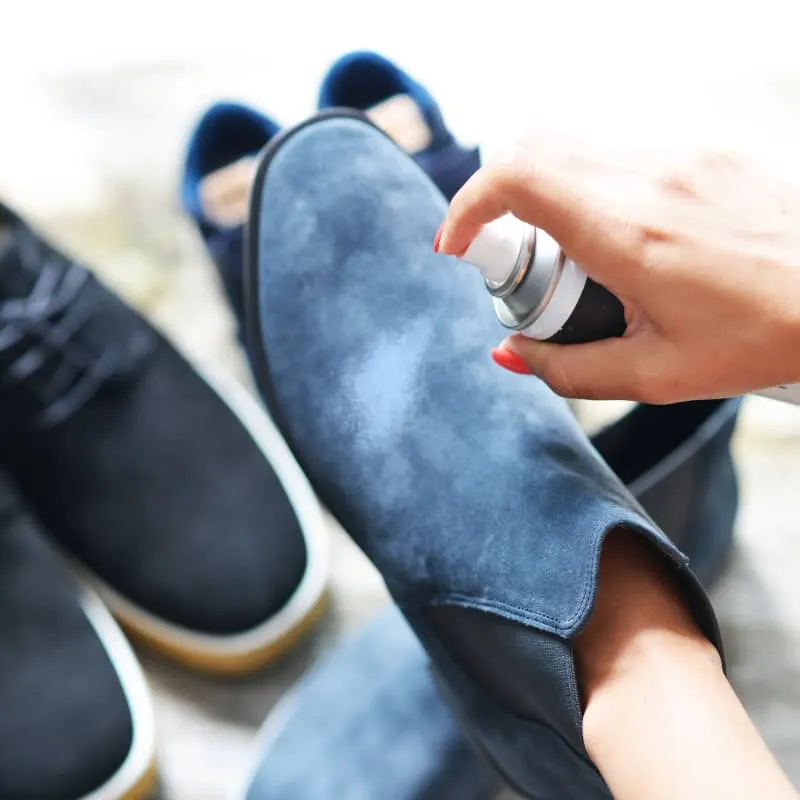
You should not use mink oil on suede or nubuck leather. The heavy oils in mink oil will saturate the delicate fibers, permanently changing the soft, cotton-like texture into a flattened, glossy, and often blotchy surface. This damage is irreversible and will ruin the distinct appearance of suede.
Instead of mink oil, opt for products specifically designed for napped leathers, such as BIKI Suede & Nubuck Protector Spray. These specialized products will effectively clean and protect your suede and nubuck footwear without compressing the fibers, preserving their unique texture and look.
How to Apply
Applying mink oil on leather is a piece of cake. Follow these steps to achieve the best results on your boots or any heavy leather items.
- Clean the Boots: First off, use a horsehair brush to get rid of all dirt, dust, and mud. For remaining clumps, it’s best to use a damp cloth and leather cleaner. Don’t forget to absolutely dry the boots before continuing to the next step.
- Warm the Oil & Leather (Optional but Recommended): Warm the leather slightly with a hair dryer on low heat or let boots stay in a warm room for an hour. This will open the leather pores for better soaking of oil. You could also warm the mink oil by putting its container in warm water.
- Apply a Thin Coat: Use a clean cloth or your fingers to put on a small amount of mink oil in circles. A thin, even layer works much better than a thick, gloppy one. Focus on getting the same amount across the whole surface.
- Let it Absorb: Let the oil soak into the leather for at least a few hours. You’ll see the oil soaking into the material, and the leather will look different as it absorbs the oil.
- Wipe Off Excess: Take a new, clean cloth and wipe off any leftover oil on the surface. Rub the entire boot to ensure it appears even and is not sticky.
Pro-Tips for a Perfect Finish
- Fingers vs. Cloth: Utilizing your fingers has the advantage of body heat assisting with oil penetration; hence, it goes deeper. This is quite effective for areas like seams and edges, plus it works magic in ensuring these areas are covered in oil.
- Focus on Seams: Give more attention to stitches and seams. These places are where water gets in easily, so ensuring they have enough oil is key to keeping it out.
- Don’t Over-Apply: Over-application of mink oil may lead to the blocking of leather holes, thus preventing the free flow of air. This can cause the stitch to go weak over time due to moisture from trapped sweat. For the most boots, a single application of mink oil once or twice a year is sufficient.
The Drying Time
After applying mink oil to the entire shoe, let it sit for at least 30 minutes to dry. However, to ensure a complete penetration for maximum conditioning and water resistance, it’s best to allow the leather to fully absorb the oil for up to 24 hours.
For a perfect finish after the absorption period, simply buff the leather with a clean, dry cloth to remove any excess oil from the surface. The total absorption time can vary depending on the leather’s dryness, the thickness of the application, and environmental conditions like temperature and humidity.
The rate of absorption relies on a couple of factors:
- The Leather State: A very dry leather type will naturally suck the oil in much faster than a leather type that has enough oil stored.
- Number of Coats: One thin coat will spend shorter time than multiple thick coats.
- Weather Conditions: High humidity and cold temperatures will slow down how fast it soaks in. Warm, dry air works best.
Use on Other Leathers
While mink oil is a great choice for tough boots, it’s often too strong for more delicate leather products.
Dress Shoes: We do not suggest it. The excessive oils can make the fine leather of dress shoes too soft, which might affect the shape. It will also darken them considerably, which you usually do not want for formal or light-colored shoes. A good [shoe cream] works much better because it conditions gently and brings back color without the heavy oil feel.
Leather Jackets: This might work, but it is risky. Mink oil can make a jacket feel greasy and can block the holes, which really hurts how well air moves through it. This can make the jacket feel damp and uncomfortable when you wear it. If you want to try it, test on a very hidden spot (like inside a pocket) and use a tiny amount.
| Product Type | Best For | Key Function | Darkening Effect |
| Mink Oil | Work Boots, Hiking Boots | Heavy-Duty Waterproofing & Conditioning | High |
| Shoe Cream | Dress Shoes, Fine Leather Shoes | Light Conditioning, Color Refresh, Polish | Low to Medium |
| Leather Conditioner | Jackets, Bags, Furniture | Gentle Softening & Hydration | Minimal to Low |
The Ingredients
You can guess what’s inside just by the name. The main ingredient which is included in mink oil is oil that is made from mink fat which is the fatty sub-layer found underneath a mink’s fur.
This type of fat is very palmitoleic acid rich, which is a kind of oleic acid. Thus, the oil is very durable and cannot be decomposed rapidly, which is why people turned to it for the purpose of leather preservation.
Today’s shop-sold mink oil is often not the purest. Manufacturers mix different products to bring better performance to the label, to increase comfort, and to decrease labor costs. Some of the usual additives are:
- Lanolin: A wax that comes from wool animals, which helps condition the leather more.
- Beeswax: Helps the product keep water out better and adds a protective layer you can polish.
- Silicone: Often added to give extra water protection, though some leather experts say it can stop the leather from breathing naturally over time.
Mink oil is one of the best oils you could use if it is used on the correct material and in the right way. By knowing about its pros (it offers heavy-duty protection for rugged boots) and cons (it makes leather dark and damages suede), you can protect your footwear for many years.
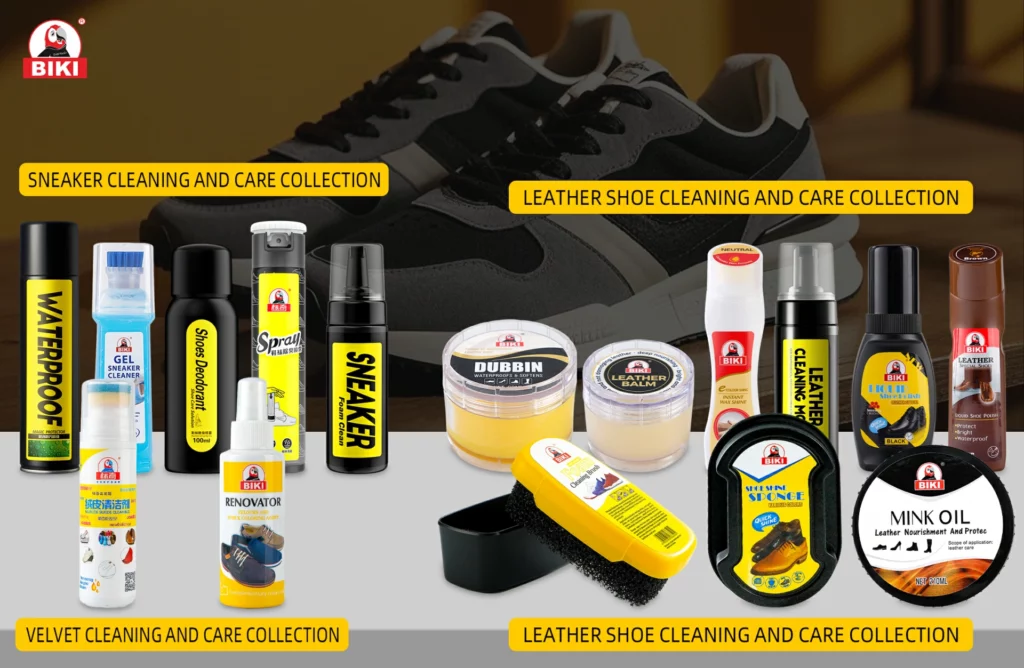
For brands and retailers, it is essential to give clear and professional guidance. BIKI provides private label and custom service for leather care product lines, starting from heavy-duty mink oil to special conditioners. Collaborate with us to become the expert in leather care that your clients will trust.