The work boots that you wear are essential gear for you, not simply shoes. Their treatment must get the same attention as any other tools around the workplace.
The neglect cost is overwhelmingly detrimental. A pair of untreated top-notch boots, originally worth $200-400, will typically survive no more than six months in a chemical plant or on a concrete-heavy construction site. The same boots that are well taken care of, can stay with the owner for many years. That results in swerve for hundreds of dollars in replacement costs.
The proper handling of leather for work boots is a defensive measure. To be victorious, you have to learn your enemies first.
In hostile environments, your boots are enemies in battle every day.
- Concrete: The basic alkali nature of concrete strips the essential oils directly from the leather, so it becomes brittle and is likely to crack.
- Mud: Caked-on mud is not just dirt. As it dries, it actively draws moisture and oils out of the leather, causing it to shrink and crack.
- Water: The continuous exposure of leather to water or snow leads to rot, affects adhesive materials, and degrades the entire boot from the inside.
- Chemicals: Industrial solvents, agricultural chemicals, and other such harmful factors can result in quick and irreversible damage to leather fibers.
The Defense Strategy
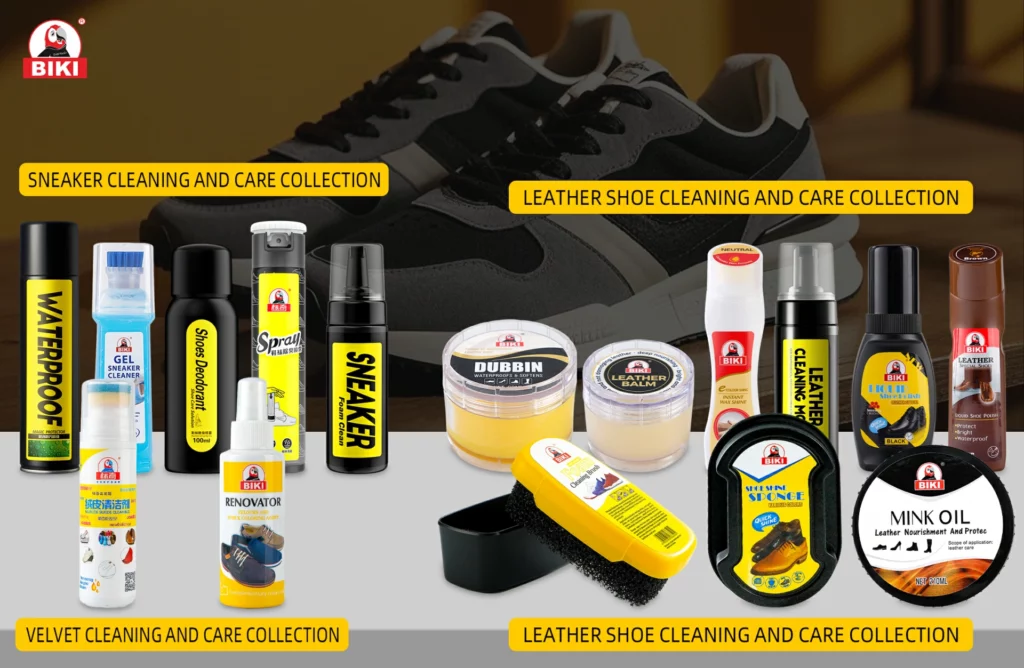
Making your decision on the right defensive tool to use for that area is a must to protect your investment. The two most important choices are Mink Oil and Dubbin, both of which serve dedicated purposes.
Mink Oil: Unless You Want to Submerge
The principal target of Mink Oil is the deep conditioning of leather. It is even able to penetrate the fibers and thus to restore the natural oils lost through exposure to the environment and the frequent flexing.
That is also the main point of its key benefits: flexibility or maintenance of leather flexibility. As a result it will prevent cracks in places that are frequently stressed such as ankle joints or toe areas which are standing up to the abuse of bending and crouching. Therefore, it is the first choice for a breathable leather in dry, rough areas.
Dubbin: For Water Shielding
Dubbin is a heavy-duty, wax-based seal filler. Its main goal is to cover blemishes. It is not to condition deeply.
The barrier features the best water protection, which is the reason it is the downright chosen solution for creating truly waterproof work boots. Also, it functions better with surface-level splashes of chemicals and assists with reduction of the static build-up, which is often found in industrial workplaces. We advise the use of a heavy duty shoe wax for the maximum protection in wet, muddy, or chemical-prone areas.
Dubbin vs. Mink Oil
| Feature | Mink Oil | Dubbin (Heavy Wax) |
| Primary Goal | Conditioning (Restores Oils) | Waterproofing (Seals Surface) |
| Best For | Dry, rough environments; preventing cracks from flexing. | Wet, muddy, or chemical-spill environments. |
| Effect on Leather | Softens and darkens slightly. Maintains breathability. | Creates a thick barrier. Can reduce breathability. |
| Application | Rub in a thin layer, let it absorb, wipe excess. | Apply generously, may require gentle heat to absorb. |
The Shift-End SOP
Treat this routine as the final, required step of your workday. It takes less than five minutes and is the single most effective action you can take to extend the life of your boots.
Step 1: Immediate Wipe-Down
As soon as you take your boots off, use a stiff brush or a damp rag to remove all wet mud, concrete dust, and chemical residue. Do not let contaminants dry on the boot. Dried mud and alkaline dust will actively pull the life out of the leather overnight. Pay special attention to the welt stitch where the upper meets the sole; this is where rot starts.
Step 2: The Air Dry
If your boots are damp inside, stuff them tightly with newspaper. The paper will absorb the moisture from the inside out. Let them air dry at room temperature.
A critical warning: NEVER place boots near a radiator, direct heater, or open flame. Intense, direct heat will “cook” the leather. This causes the fibers to become permanently brittle and can literally “explode” the material, leading to catastrophic cracks that cannot be repaired.
Step 3: The Weekly Deep Treat
Once a week, or more frequently if working in extreme conditions, perform a deep conditioning. After cleaning the boots thoroughly, apply your chosen product—Mink Oil or Dubbin—to the entire leather surface.
Use a clean cloth and work the product into all seams, the tongue, and high-flex areas. Let it sit for at least 15 minutes to allow the leather to absorb what it needs, then wipe off any excess. This is the core of your industrial shoe care program.
A Cost-Saving Strategy for Safety Managers & PPE Distributors
For Safety Managers and PPE Distributors, boot care is a powerful, high-ROI strategy for asset protection and cost management.
Providing high-quality work boots is a standard cost of business. However, providing the means to maintain them is a force multiplier for your budget. A workforce equipped with a simple maintenance protocol and the right products will see a dramatic increase in the lifespan of their PPE. This directly reduces annual replacement costs and minimizes downtime from equipment failure.
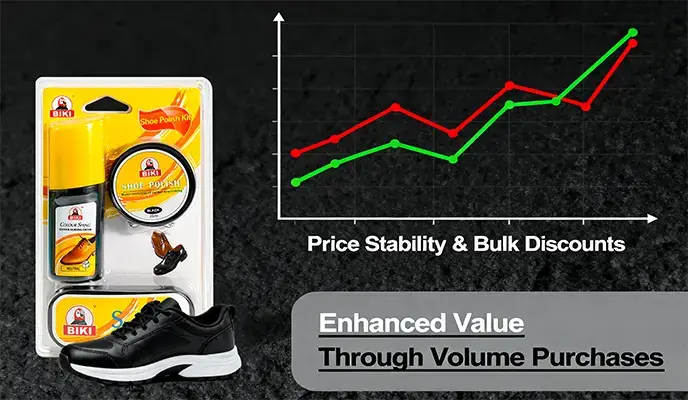
Consider this case use: a large construction firm that issues 200 pairs of work boots annually. By also purchasing industrial shoe care products in bulk and distributing them as part of a mandatory maintenance protocol, they can realistically double the service life of those boots. This can cut their annual boot spending in half.
This is where a specialized product line becomes essential. Standard consumer-grade products are neither practical nor cost-effective for large-scale industrial operations. Biki’s Industrial Line is designed specifically for this challenge.
Biki’s Bulk & Industrial Solutions
Biki understands that PPE distributor supplies must be as tough and efficient as the environments they are used in. Our industrial solutions are built for scale, durability, and performance.
- Bulk Packaging: We supply Mink Oil and Dubbin in large industrial tins (e.g., 100g, 200g) or even multi-liter buckets. These are designed for use in on-site maintenance stations and are far more economical than individual consumer units.
- Durable Formatting: Our products are packaged in robust metal tins that can survive being dropped on a concrete floor or thrown in a toolbox. They are built for the job site, unlike fragile plastic tubes or jars.
- Custom Formulas: We work directly with industries to develop custom solutions. If you need an anti-fungal agent for logging and mining operations, or an enhanced waterproofing compound for marine environments, we can develop and supply it. Discuss your unique requirements with our team via our Custom Options or OEM Service page.

Conclusion: Care Is Maintenance
For any professional in a demanding field, leather care for work boots is not an aesthetic choice. It is a fundamental aspect of equipment maintenance.
Proper care protects your financial investment, ensures your safety on the job, and enhances your performance day after day.
Are you a PPE supplier or distributor? Add high-margin, high-value leather protection to your catalog. Get our industrial price list today.
Frequently Asked Questions
Q: Can I use mink oil on steel-toe boots?
A: Yes, absolutely. The steel cap is covered by leather, which needs protection. Applying mink oil or dubbin to the leather over the toe cap is crucial to prevent it from drying out, cracking, and exposing the protective steel underneath. It keeps the entire boot structure sound.