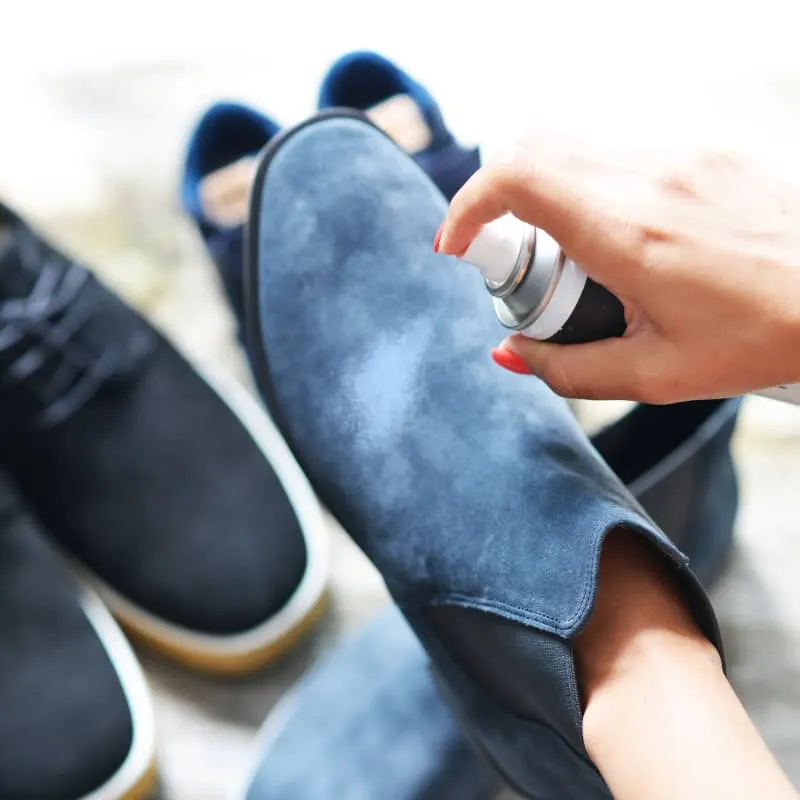
Asking how often to polish shoes is a global question. After purchasing a pair of quality leather shoes, almost every customer will undoubtedly ask, “How often should I do this?” Such a moment unveils doubt for the client in his customer’s journey.
For a brand, your response is beyond just giving simple advice. It is a pivotal post-sale touchpoint that can make or break trust. A vague or wrong reply may ignite customer irritation, lead to damaged products, and deprive you of an engagement opportunity.
The guide is the unique resource that your brand could distribute. It will make a customer question the durability of your products and with the help of that question you build authority and foster customer loyalty. Besides, it guarantees that your products are used properly.
Conditioning vs. Polishing: What’s the Difference and Which Do I Do First?
Before setting up a schedule, it is fundamental to make clear two essential actions of leather care. A proper shoe care routine is not a single action but a two-step process that first feeds leather and then protects it.
Conditioning: The “Moisturizer”
Consider conditioning as applying moisturizer to your facial skin. Its main purpose is to nourish the leather, restore it with oils, and bring the original color back. This procedure keeps the leather flexible, averting it from becoming brittle and getting cracks.
This is what a good cream polish does. It is about the shoe’s health above all.
Polishing: The “Shield”
Wax polishing is like applying a protective topcoat or armor. The purpose is to create a film on the leather’s surface. This film will repel water, cover very small scratches, and will be responsible for the high-gloss finish.
This intervention is about the shoe’s protection. In fact, by grasping this point, one can eliminate the occurrence of over polishing shoes, as waxing is a surface treatment exclusive to that; it does not play the role of a deep conditioner. Only a traditional wax polish tackles that.
The Golden Rule
The rule is straightforward: condition, and then polish. If leather is not properly fed, it cannot be effectively protected. A complete shoe shine schedule integrates both actions at varying frequencies to ensure good health and appearance in the long run.
| Feature | Conditioning (Cream Polish) | Polishing (Wax Polish) |
| Primary Job | Nourish & Moisturize Leather | Protect & Add Shine |
| Analogy | Skin Moisturizer | Protective Armor/Topcoat |
| Penetration | Absorbs into the leather | Sits on the leather’s surface |
| Key Benefit | Prevents cracking, restores color | Repels water, covers scuffs |
| Finish | Soft, natural sheen | High-gloss, “mirror” shine |
| Frequency | More Frequent | Less Frequent |
Related Post: The Real Difference Between Wax, Cream, and Liquid Shoe Polish
How Often to Polish: A Schedule for Dress Shoes, Casual Shoes, and Boots
When it comes to how often to polish the shoes, the key factor has always been the type of shoe and how it is used. Here is a neatly laid-out, sectional schedule that your brand can confidently provide customers with.
Category 1: The Boardroom Executive
This user always wears high-quality dress shoes as an essential component of his working wardrobe. Witnessing the best of himself is required therefore his shoes should be spotless.
- Wear Profile: Attended 2-4 times a week in low-impact environments such as offices and meetings.
- The Goal: Meticulously dress without a single scuff and with a high-gloss shine.
- The Schedule:
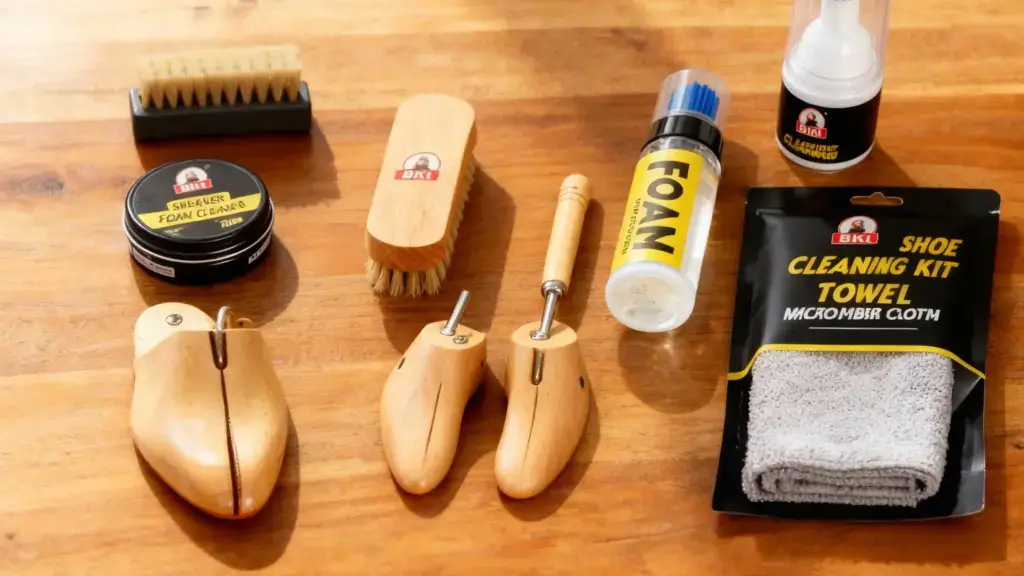
- After Every Wear: Remove surface dust and dirt by using a horsehair brush. This straightforward step will prevent the buildup of dirt thus keeping the surface dusty and maintaining the polish that has already been applied.
- Every 2-3 Wears (Weekly): Condition the shoes with a matching cream polish. Restoring lost moisture and color keeps the leather supple.
- Every 5-6 Wears (Bi-Weekly): Use a very thin layer of wax polish. This is the first step for the high-gloss shine and it builds up the protective barrier to the leather.
Category 2: The Daily Professional
This type of person is used to commuting and working in business-casual wearing leather shoes. The shoes are now used under more diverse weather conditions and with minimal impact.
- Wear Profile: Worn 3-5 times a week in various conditions, including commuting, walking, and office setting.
- The Goal: Strength, full coverage with scuffs, and unpretentious well-maintained natural looks.
- The Schedule:
- Weekly: Wipe down the shoes and remove the accumulated grime or dirt from commuting.
- Every 4-6 Wears (Bi-Weekly): Cream polish conditioning. Basic areas creasing or scuffing should take precedence.
- Monthly: Lightly coat the shoes with wax polish. The aim is not a mirror shine but weather protection and a soft, natural look.
Category 3: The Adventurer & The Worker
The user’s boots are work tools. The boots are exposed to tough conditions in places like construction sites, hiking trails, rain, and snow. Their primary aim is usefulness and durability.
- Wear Profile: Used in challenging situations by exposing the leather to mud, water, and erosion.
- The Goal: Top protection from the weather, sincere conditioning to rescue it from drying and breaking, plus the longevity of the product in exchange for a high shine being a secondary consideration.
- The Schedule: This directly answers the question of how frequently to do the conditioning of leather boots.
- As Needed: Get rid of the mud, salt, and trash immediately after dressing it heavily to save the leather.
- Monthly (or after heavy exposure): The deep conditioning job is carried out. The use of a heavy-duty cream with good nourishment or oil-based conditioner helps to rejuvenate the leather.
- Seasonally (or before anticipated heavy use): Apply a mixture of a waterproof wax with a thick layer on top. The seams and welts should be the main focus to create a durable seal against moisture.
>>> Tips: For daily maintenance, liquid shoe polish is faster, while wax is for monthly care. See the full comparison here.
How Brands Can Leverage This Guide: A Strategic Toolkit
This information is no longer just a blog post. It is a tool of strategic importance for your brand. Here’s how you can transform this definitive schedule into a powerful marketing and sales asset.
Strategy 1: Create “Care Cards”
Take these schedules and distill them onto a wonderfully designed sturdy postcard. You can include one in each shoebox. This is an immediate actionable tangible value that would be given at the point of unboxing, reaffirms your brand’s expertise, and helps to keep the customer service inquiries low.
Strategy 2: Fuel Content Marketing
This guide would be the epicenter of your shoe company’s content marketing. You can break it down into blog posts, email newsletters, and social media videos. This approach will allow you to position your brand as a trusted advisor for footwear.
Strategy 3: Empower Your Staff
The guide would be the ideal training document for the staff working at the retail all the way through to wholesale partners. An educated sales associate can confidently answer customer questions, provide expert advice, and effectively upsell a complete private label shoe care kit at the point of sale, increasing average order value.
Conclusion
By providing a clear answer to when to polish leather shoes, your brand can make a strategic move that will continue to benefit you long after the transaction is complete.
It’s a Business Strategy
A well-crafted shoe care plan is more than just a testament to your brand. It is a way to build customer loyalty, encourage repeat sales of the care products, and prove your dedication to quality.
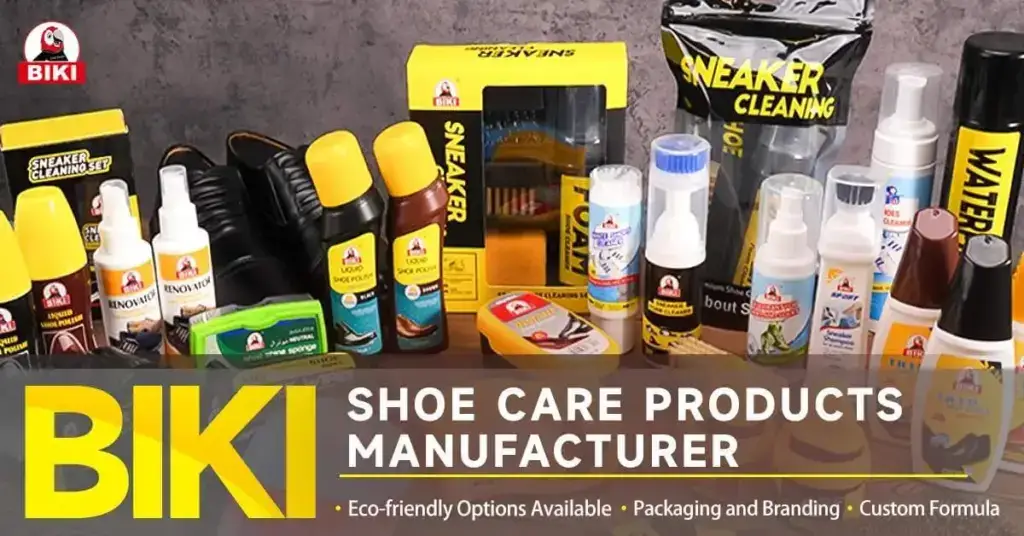
Are you ready to give your clients the complete care solution they need? With Biki Shoe Care, you can come up with a perfect custom-branded shoe care line and educational content that will not only inspire your customers but also you as the brand. Contact us to learn more about our private label programs.